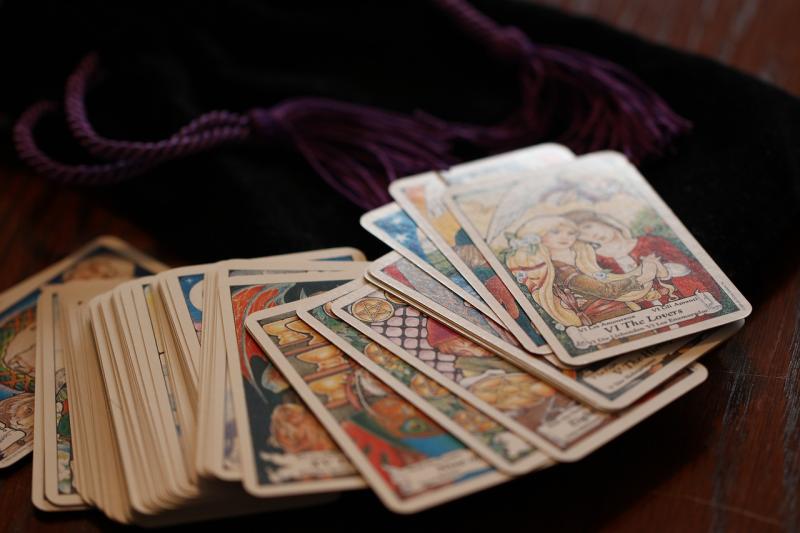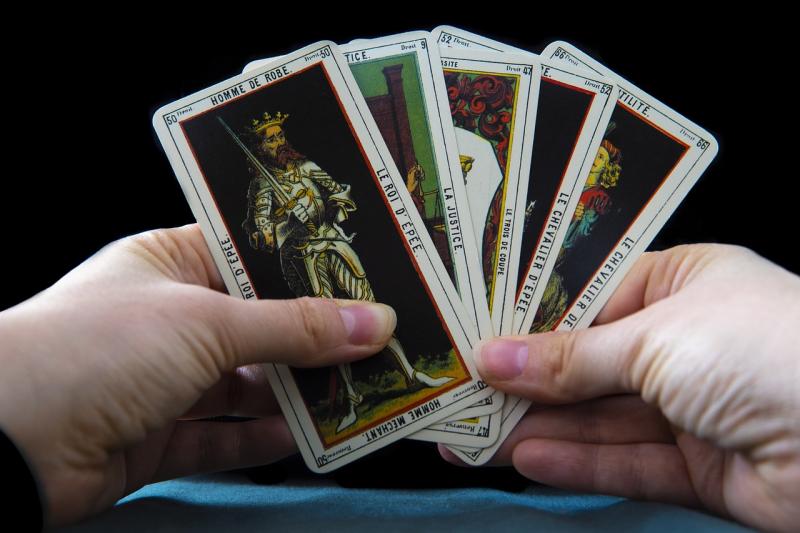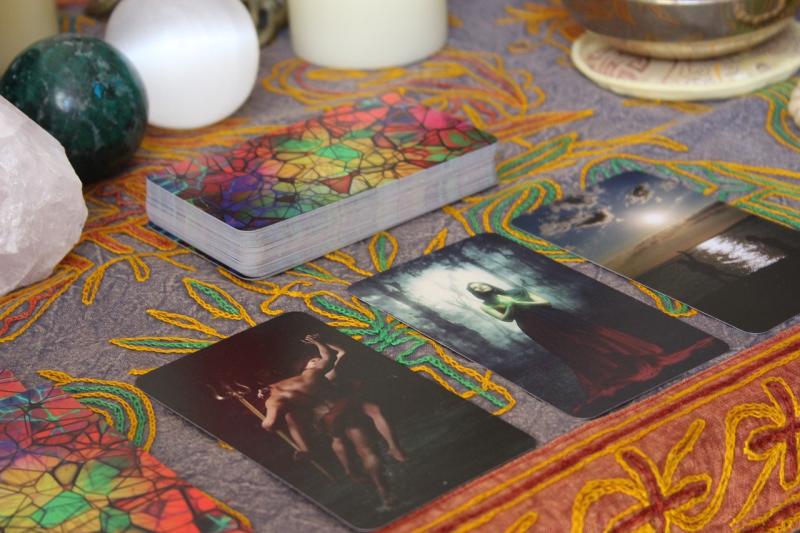
Tarot cards have a rich and intriguing history that spans centuries and cultures. They first appeared in the 15th century as playing cards in Europe, particularly in Italy. Initially, these cards were used for games, much like our modern playing cards today. The term "tarot" likely comes from the Italian word "tarocchi," and it wasn’t until later that people began to associate them with divination and spiritual guidance.
By the late 18th century, tarot cards started to gain popularity in the realm of mysticism. Figures like Antoine Court de Gébelin, a French clergyman, proposed that tarot cards held ancient wisdom tied to Egyptian mythology. This idea sparked a wave of interest in using tarot for fortune-telling and personal insight.
Throughout the 19th and 20th centuries, tarot cards took on new meanings and designs. The Rider-Waite deck, created in 1909, played a huge role in shaping modern tarot practices. Its vivid imagery and symbolism made it accessible for those seeking to learn the art of reading cards. People began to realize that tarot wasn’t just about predicting the future; it was a powerful tool for self-reflection and personal growth.
Today, tarot has become a popular spiritual practice around the world. There are countless decks available, each with unique themes and artwork, allowing users to find a deck that resonates with them. Tarot readings can offer insight, guidance, and clarity on various aspects of life, from love and career to personal challenges. Whether you’re a beginner or an experienced reader, the journey with tarot cards is always evolving and enlightening.
Understanding Tarot Card Basics
Tarot cards are not just pretty pictures; they’re a powerful tool for self-reflection and insight. At their core, a standard tarot deck has 78 cards divided into two main groups: the Major Arcana and the Minor Arcana. The Major Arcana has 22 cards that represent significant life events or spiritual lessons. Think of them as the heavy hitters of the deck. Then there’s the Minor Arcana, which has 56 cards. These cover day-to-day events and are broken down into four suits: Cups, Wands, Swords, and Pentacles.
Each card in tarot tells a story. When you pull a card, it's like opening a window to deeper truths about your life. The images, symbols, and numbers have meanings that can guide you through tough decisions or moments of uncertainty. For example, the Ace of Cups often symbolizes new emotional beginnings. It’s all about fresh starts in love or creativity. On the other hand, the Three of Swords points to heartbreak or loss. It helps you confront and heal from emotional pain.
Reading tarot isn’t just about memorizing meanings; it’s also about intuition. Your feelings and thoughts when you see a card play a big role in its interpretation. So, don’t worry if you struggle at first. The more you work with the cards, the more natural it becomes. You may even start to notice patterns or themes in your readings that make sense for you.
Getting started with tarot is easy. You can pick up any deck that resonates with you, whether it's colorful or minimalist. A good way to begin is by simply drawing a card each day. Take a moment to reflect on what it means to you and how it relates to your life. You’ll be surprised by how much insight you can gain with just one card!
How to Read Tarot Cards
Reading tarot cards is an exciting adventure that anyone can dive into, no previous experience required! Start by finding a deck that speaks to you. There are so many different styles and themes out there—from classic Rider-Waite to modern artistic interpretations. Pick one that you feel connected to.
Once you have your deck, get familiar with the cards. This means flipping through each one, studying the imagery, and gathering your thoughts on what they might represent. You don’t have to memorize everything. Just take note of how each card makes you feel. Trust your intuition. It plays a huge role in tarot reading!
Next, set up your reading space. Find a quiet spot where you won’t be disturbed. You might want to light a candle or burn some incense to create a calming vibe. When you're ready, shuffle the cards while focusing on your question or intention. This helps to channel your energy into the cards.
For your first reading, start with simple spreads. A one-card draw is great for quick insights, while a three-card spread can give you a deeper view on the past, present, and future. Lay the cards out in front of you, and take your time interpreting their meanings. Remember, the most important part of reading tarot is what they mean to you personally.
As you practice, keep a tarot journal. Write down your readings, thoughts, and any patterns you notice. This will help you track your progress and deepen your understanding over time. Enjoy the journey, and let the cards guide you on your path!
Benefits of Using Tarot Cards
Using tarot cards can be a fun and insightful way to connect with yourself and your intuition. They aren't just about predicting the future; they’re tools for reflection and personal growth. Each card tells a story, giving you a fresh perspective on your current situation.
One big benefit of tarot cards is their ability to spark self-discovery. When you pull a card and dig into its meanings, it helps you think about your own circumstances in a new light. You might start to see patterns in your life or recognize things you want to change. It's like having a trusted friend who nudges you to think about what really matters.
Tarot cards can also help you make decisions. If you’re feeling stuck or unsure about the right path to take, a tarot reading can provide clarity. The cards can highlight different angles of a situation, letting you weigh your options and consider outcomes you hadn’t thought of before.
Another great aspect of tarot is the connection it fosters with your intuition. As you work with the cards, you start to trust your instincts more. You learn to listen to your gut feelings, which can lead to some amazing insights and breakthroughs.
Finally, tarot can be a wonderful way to connect with others. Whether you’re reading for friends, family, or in a group setting, it can spark meaningful conversations. It creates a space where everyone feels safe to share their thoughts and experiences, which can deepen your connections with others.