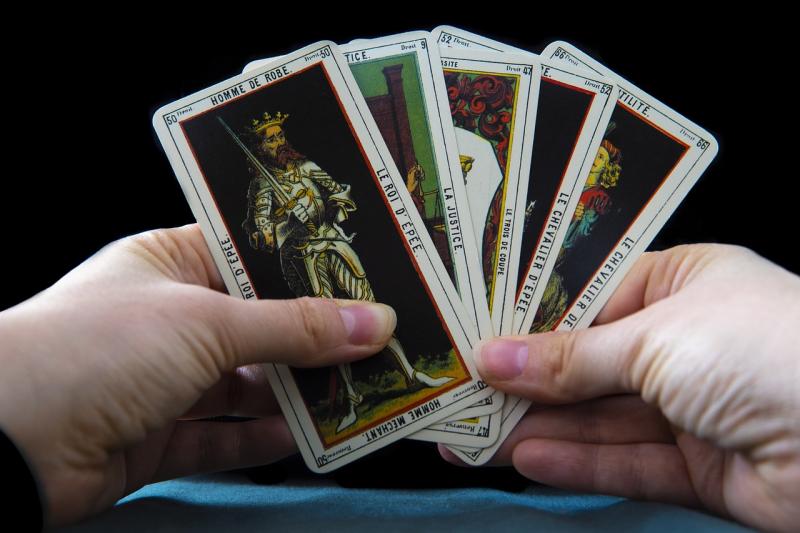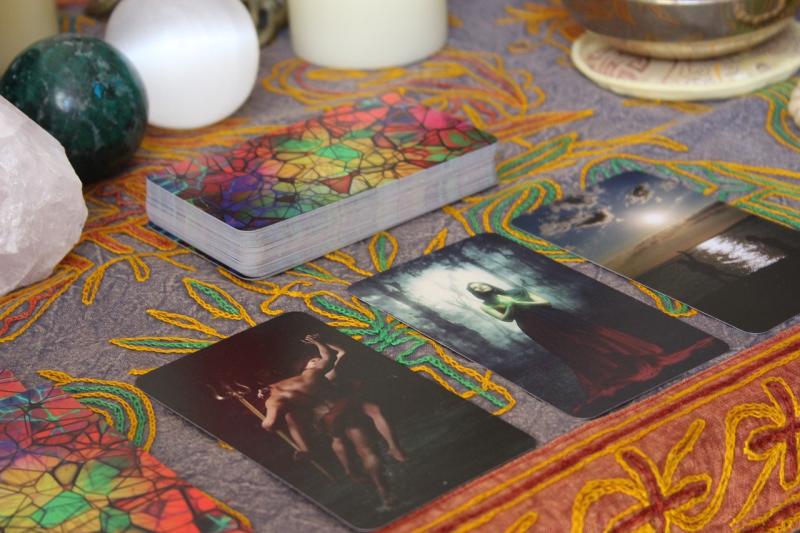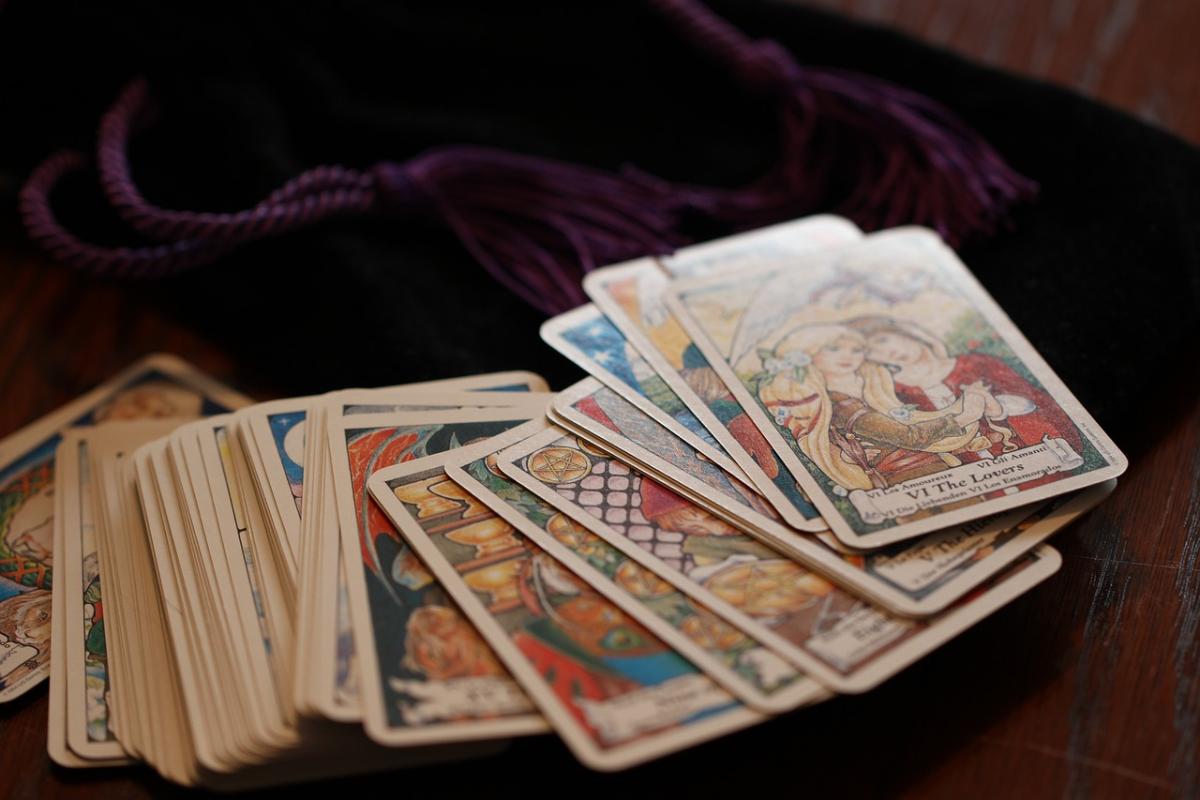
Tarot cards have been around for centuries and are often used for divination and self-reflection. A standard tarot deck has 78 cards divided into the Major Arcana and the Minor Arcana. The Major Arcana consists of 22 cards that represent significant life events and spiritual lessons. Think of them as the big players in your story, like The Fool, The Lovers, and The World.
The Minor Arcana has 56 cards, split into four suits: Cups, Wands, Swords, and Pentacles. Each suit dives into everyday aspects of life. Cups deal with emotions and relationships, Wands focus on creativity and action, Swords represent thoughts and challenges, and Pentacles are about material things and stability. Knowing these distinctions can really help you grasp what the cards are trying to say.
When you read tarot, you're not just looking at the cards' meanings, but also tapping into your intuition. That gut feeling is actually vital to interpreting the cards. Each card can have multiple meanings depending on its position and the question you ask. The magic happens when you connect the dots and relate the cards to your personal situation.
Many people think tarot is just a mystical tool for predicting the future. In reality, it's much more than that. It's a mirror reflecting your inner thoughts and beliefs, showing you options and possibilities. Whether you’re seeking guidance on a specific issue or just wanting to understand yourself better, tarot can be an invaluable tool on your journey of self-discovery.
What Makes Native American Tarot Unique
Native American Tarot cards are really something special. While traditional tarot decks usually come with universal themes, Native American Tarot dives deep into the rich stories, symbols, and traditions of Indigenous cultures. Each card isn’t just a pretty picture; it weaves together a narrative that’s steeped in spirituality and connection to the earth.
One major difference is the artwork. Traditional tarot often features European imagery and archetypes, but Native American Tarot celebrates the vibrant artistry of tribal cultures. The designs showcase animals, nature, and spiritual symbols that resonate with Native American beliefs. This makes every card a unique journey into a worldview that honors the connection between people and the planet.
The meanings behind the cards also shift significantly. Instead of focusing purely on personal growth or fortune-telling, many Native American decks emphasize community, balance, and the cycles of nature. The messages you get can feel grounded and nurturing, encouraging you to tap into your instincts and intuition. It’s not just about what the future holds, but how you fit into the bigger picture of life.
If you're looking for a different vibe in your readings, Native American Tarot can really enhance your experience. It often comes with guides that include teachings from Native wisdom, giving you a deeper understanding of not just the cards but also the cultures they come from. You’ll find yourself reflecting on concepts of harmony and connection, which can be a refreshing shift from traditional tarot readings.
Comparing Symbolism in Both Decks
When comparing the symbolism in traditional Tarot and Native American Tarot cards, you’ll discover some fascinating differences. Traditional Tarot decks usually feature symbols like swords, cups, pentacles, and wands. Each suit has its own meaning, guiding you through various aspects of life, like emotions or challenges. For example, swords often represent conflict or mental struggles, while cups deal with feelings and relationships.
In contrast, Native American Tarot cards incorporate the rich imagery and teachings of Indigenous culture. These decks often center around nature, animals, and tribal traditions. You’ll see symbols like the eagle, the bear, and the turtle, each carrying its own unique significance. Eagles might symbolize freedom and vision, while bears often reflect strength and introspection. This connection to the earth can create a deeper resonance for those who feel aligned with nature.
While both decks share a goal of self-discovery and guidance, the journey can feel quite different. Traditional Tarot offers a more structured approach, with defined meanings for each card. Native American Tarot invites a more fluid interpretation, allowing users to connect more personally with the symbols. You might find that one resonates with you over the other, depending on your own experiences and beliefs.
Ultimately, whether you’re drawn to the classic Tarot or the spiritual depth of Native American Tarot, both have something valuable to offer. Understanding these symbolic differences can help you choose which deck will best support you on your path to insight and growth.
Choosing the Right Tarot for You
When it comes to choosing the right tarot deck, think about what speaks to you personally. Tarot cards can be as unique as their readers, so you want a deck that resonates with your energy and intuition. Some decks are traditional, while others have a modern twist or cultural influences. Trust your instincts when picking one!
Consider the imagery and themes on the cards. Are you drawn to bright colors and whimsical designs, or do you prefer something darker and more mysterious? Look for a deck that not only captures your interest but also feels comfortable to work with. The artwork should inspire you and spark your imagination when interpreting the cards.
Don't forget about the guidebook! Many tarot decks come with a companion book offering explanations for each card. This can be super helpful, especially if you’re just starting out. A good guidebook can provide insights not just into the cards but also on various spreads and techniques.
If you're interested in Native American tarot cards, you might find those decks honor spiritual traditions and convey stories from indigenous cultures. Explore a few options to see which deck conveys the feelings and messages you connect with the most. Remember, the right deck is all about your personal journey and what helps you grow.
Making your choice is part of the fun! Don't rush it—take your time to explore different decks and see which one feels right. Whether you choose a classic tarot deck or a Native American-inspired one, the most important thing is that it resonates with you. Happy tarot hunting!